

In modern home furnishings and cleaning tools, microfiber towels are gradually replacing traditional cotton towels, becoming a new favorite among consumers due to their superior absorbency, soft touch, and efficient cleaning capabilities. Whether in the bathroom, kitchen, car detailing, or professional photography, microfiber towels demonstrate unparalleled advantages. This article will delve into the material characteristics, application scenarios, and usage and maintenance tips for microfiber towels.
I. What is Microfiber?
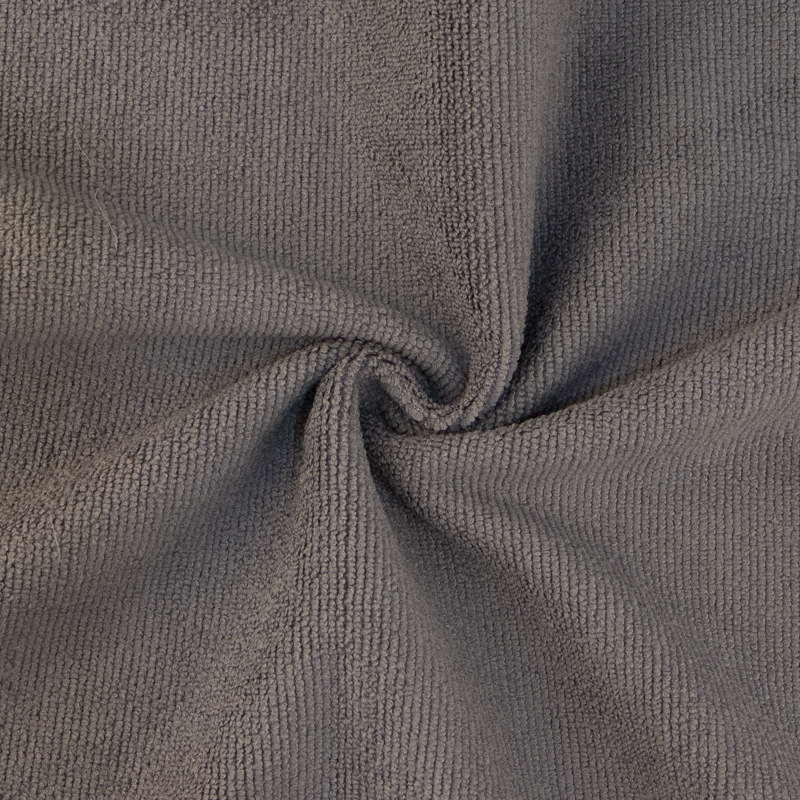
Microfiber is an extremely fine fiber synthesized from polyester and polyamide (nylon). The diameter of a single fiber is typically less than 0.7 denier, about 1/100th the diameter of a human hair. This micron-sized structure gives microfiber an extremely large specific surface area, enabling it to possess super absorbency and capillary action, thus achieving rapid water absorption, stain removal, and watermark-free cleaning.
II. Core Advantages of Microfiber Towels
Superior Absorbency:Microfiber towels can absorb 7–10 times their own weight in water, far exceeding ordinary cotton towels (approximately 3–4 times). This makes them far more efficient at drying the body, wiping glass, or cleaning electronic screens.
Extremely Soft, Gentle on Surfaces: Their fine fibers will not scratch sensitive surfaces such as eyeglass lenses, mobile phone screens, car paint, or baby skin, making them ideal for high-end care.
Highly Effective Stain Removal, No Chemical Cleaners Required:** Microfiber physically traps dust, grease, and bacteria, allowing most cleaning tasks to be completed with just water, making it environmentally friendly and healthy.
Quick-Drying and Mold-Proof:Due to their highly hydrophobic fiber structure, microfiber towels dry more than 50% faster than cotton towels, effectively inhibiting the growth of bacteria and mold.
Durable and Easy to Wash:With proper use, a high-quality microfiber towel can be reused hundreds of times without significant lint or hardening. III. Multi-Scenario Applications
Personal Care: Can be used as a bath towel, face towel, or sweat towel after exercise; gentle on the skin and non-irritating, especially suitable for sensitive skin.
Household Cleaning: Wipes kitchen countertops, bathroom mirrors, windows, etc., leaving no water stains or fiber residue.
Car Detailing: Polishes cars after washing and waxing, preventing scratches and enhancing paint shine.
Electronic Product Maintenance: Cleans camera lenses, computer screens, mobile phones, and other delicate devices safely and without leaving marks.
Travel Portability: Lightweight, foldable, and quick-drying, making it ideal for outdoor enthusiasts and travelers.
IV. Usage and Maintenance Recommendations
To extend the lifespan of your microfiber towel, please note the following:
Wash before first use: Removes residual dust from the manufacturing process.
Avoid using fabric softener: Fabric softener can clog fiber gaps, reducing absorbency and cleaning power.
Wash separately: Do not wash with cotton clothing to prevent lint from affecting performance.
Machine wash on low temperature: Recommended water temperature not exceeding 40℃; avoid high-temperature tumble drying.
Dry promptly: Hang to dry as soon as possible after use to prevent odors.
V. Purchasing Tips
Check the composition ratio: A common ratio is 80% polyester + 20% polyamide, balancing absorbency and stain removal.
Observe the weight (GSM): Higher GSM (e.g., 300–600 GSM) results in a thicker, softer towel, suitable for bathing; lower GSM (200–300 GSM) is better suited for cleaning purposes.
Check the edge stitching: Dense edging prevents fraying and improves durability.
Conclusion
Microfiber towels are not only practical everyday items but also a model of combining modern materials science with aesthetics. They deliver great power in a small package, improving cleaning efficiency while advocating a more environmentally friendly and healthier lifestyle. Choose a high-quality microfiber towel and make every wipe an enjoyable experience.
Post time: Jan-12-2026