

A Complete Guide to Using Microfiber Towels: From Beginner to Expert, Making Cleaning More Efficient
Microfiber towels are nothing new, but do you really know how to use them? Many people simply use them like ordinary towels, which not only wastes their powerful performance but can even scratch surfaces due to improper use. This article will guide you through the correct way to use microfiber towels, making them a powerful assistant for your home cleaning, car care, and daily life.
I. Understanding Microfiber: What Makes It Different?
Before learning how to use them, we need to understand their core advantages. The diameter of microfiber is typically only 1/100 to 1/200th the thickness of a human hair. This extremely fine structure brings two major characteristics:
A huge adsorption surface area: For the same volume, microfiber has a much larger contact area than ordinary fibers, efficiently capturing dust, dirt, and moisture.
Wedge effect: Numerous tiny gaps form between the fibers, like countless small shovels, which “scoop” oil and particles into the fiber gaps and lock them in firmly, instead of “pushing” stains around like ordinary towels.
Therefore, it doesn’t damage surfaces, has strong water absorption, cleans thoroughly, and doesn’t shed easily.
II. Buying Guide: Choosing the right towel is half the battle. The quality of microfiber towels on the market varies greatly. Remember three points:
Check the ratio: High-quality microfiber towels typically have a golden ratio of 80% polyester + 20% nylon. Polyester forms the shovel-like structure, while nylon increases absorbency and softness.
Feel the texture: Good towels are soft, fluffy, and not rough to the touch. The edges should have delicate binding to prevent fraying.
Smell the odor: A slight plastic smell upon opening the packaging is normal, but there should be no pungent chemical odor.
Choose by purpose:
Long-pile (longer nap): Highly absorbent, suitable for wiping cars, windows, and drying the body. For example, a waffle towel.
Short-pile (short and dense nap): Strong cleaning power, suitable for wiping furniture, kitchen grease, and electronic screens.
III. Practical Application: Correct Usage in Different Scenarios
1. Core Principle: Fold into a quarter, use one side only once.
This is the most crucial step! Incorrect usage is crumpling it into a ball and wiping back and forth. Correct method:
Fold the towel in half, then in half again, forming a square about the size of your palm.
Use one side of this square to wipe. When it gets dirty, unfold a layer and use a clean side.
This way, one towel provides eight clean surfaces, minimizing cross-contamination and scratches.
2. Car Care (The most sophisticated application)
Car Wash: Use a dedicated car wash glove or a long-pile microfiber towel, along with the “two-bucket method” (one bucket of clean water, one bucket of car wash liquid). Wipe in straight lines from top to bottom, do not use circular motions.
Dry: Use a large, dry waffle towel to gently press or drag to absorb water droplets; do not rub vigorously.
Removing oil film from glass: Use a short-pile towel with glass cleaner, spray first, then wipe, and then polish with the other side dry.
Interior cleaning: Wipe the dashboard and center console with a slightly damp towel, avoiding water getting into electronic devices.
3. Household cleaning
Wiping the screen: Never spray any liquid! First, blow away large dust particles with an air blower, then gently wipe with a dry, new, short-pile microfiber towel. If there are fingerprints, you can use very slightly damp water, wring it out, and then wipe.
Wiping the lenses: Primarily dry wiping. After rinsing the lenses with water, use a soft microfiber cloth to absorb water droplets; do not rub back and forth.
Wiping furniture/kitchen: Use a slightly damp towel with cleaner to wipe away oil stains. Because microfiber has strong stain-locking ability, rinse with water after wiping and wipe again to remove any residual cleaner.
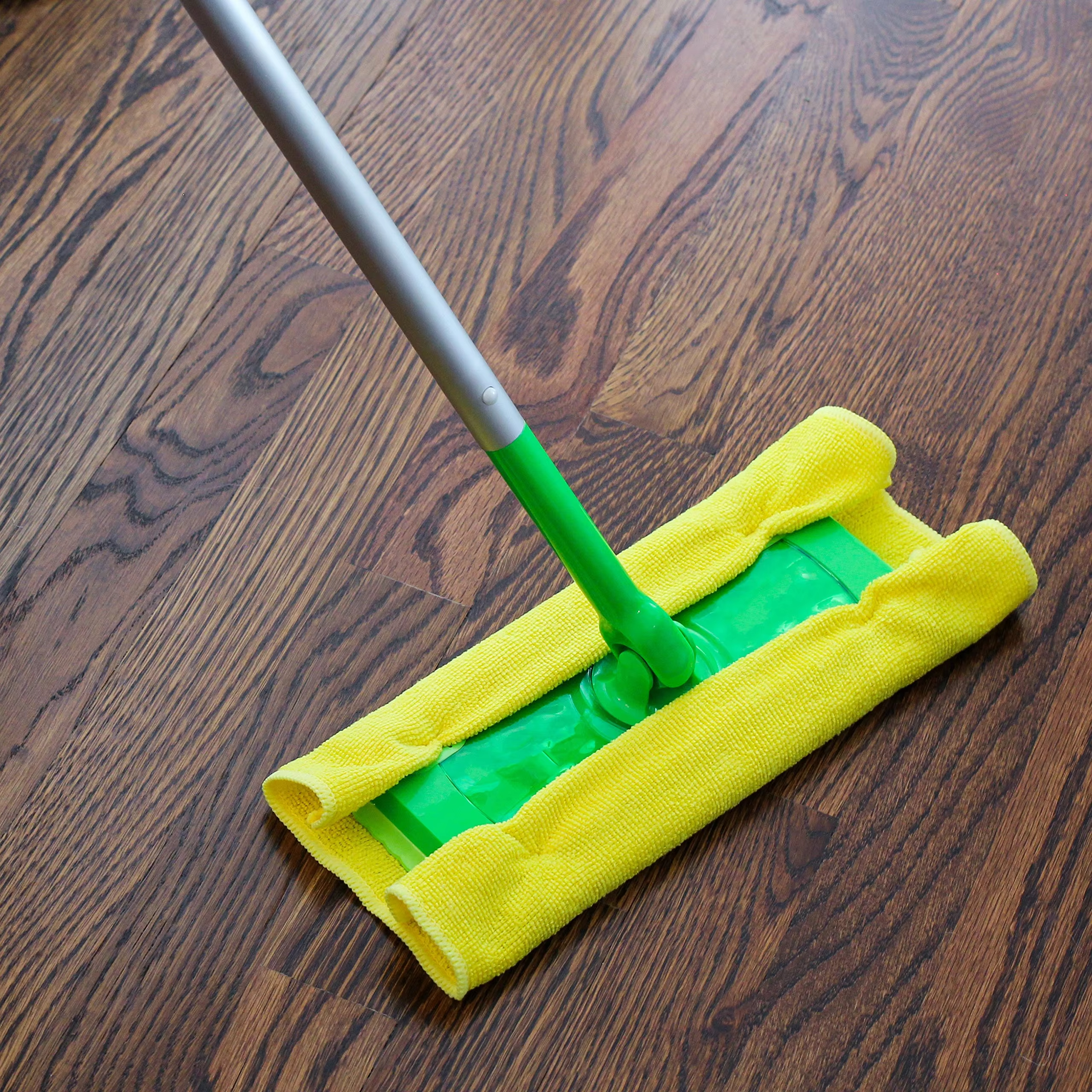
4. Mopping: Use a flat mop with replaceable microfiber heads. Dry mopping absorbs hair and dust, while wet mopping cleans the floor without leaving watermarks.
5. Personal Care (Suitable for Sensitive Skin/Baby): Choose softer, label-free microfiber towels designed specifically for personal care.
Washing Face: Use gentle pressure, primarily pressing to absorb water, avoiding pulling on the skin.
Drying Hair: Wrap your hair in a towel and gently press to absorb water; avoid rubbing back and forth to reduce frizz.
IV. Washing and Maintenance: Extending the Lifespan of Your Towel
Microfiber towels are sensitive to oil, fabric softener, and high temperatures.
Wash immediately after use: Do not let it dry and harden with dirt.
Machine washable, but please note:
Do not use fabric softener: Fabric softener can clog the fiber gaps, causing the towel to lose its absorbency.
Do not use bleach: It will corrode the fibers.
Wash separately from cotton products: Cotton lint will stick to the microfiber, reducing its performance. Wash separately if possible.
Wash in warm or cold water (below 40℃).
Air dry: Air dry naturally or tumble dry on a low temperature (below 60℃). High temperatures will melt the fibers.
When to retire: When a towel no longer absorbs water, feels stiff, or pills severely, it should be retired. Retired towels can be used to clean heavily soiled areas.
Post time: Jun-05-2026