

How do you choose the right “dedicated towel” for your needs?
While microfiber towels are excellent, using a single cloth for every task is neither the most efficient nor the safest approach. Professional car care emphasizes using specific towels for specific zones. You can make your choice based on the following criteria:
1. Check the Weight (GSM): Determines thickness and usage
GSM (grams per square meter) is a key indicator of towel thickness. A higher GSM means the towel is thicker, fluffier, and more absorbent.
500 GSM and above: The top choice for drying the car body. The thick, long pile instantly absorbs large amounts of water, minimizing friction against the paintwork caused by repeated wiping.
300–500 GSM: An all-rounder. Suitable for buffing off wax, removing residue from maintenance products, and cleaning the interior; it strikes a balance between absorbency and ease of handling.
Below 300 GSM: Typically designed for glass. These often feature a waffle weave or short-pile design, which helps wipe away water spots effectively without leaving lint, ensuring the glass is crystal clear and streak-free.
2. Check the Weave: Determines feel and function
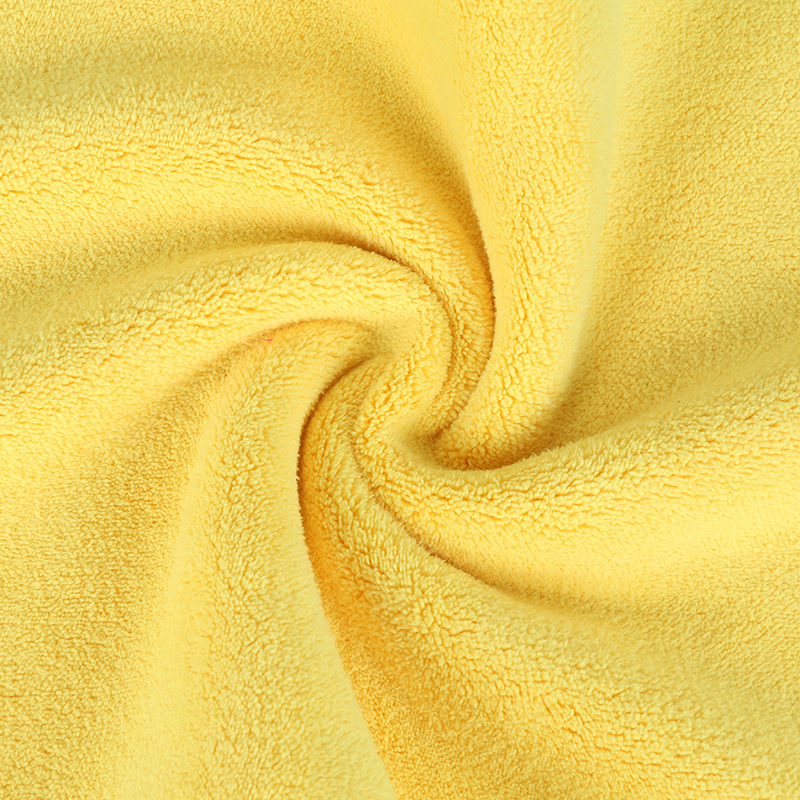
Long-pile towels: Feature a longer nap and a soft touch; ideal for delicate paintwork tasks such as buffing off wax residue or wiping down with Quick Detailer (QD) sprays.
Twisted-pile towels: Feature a spiral texture on the surface. Highly efficient at absorbing water, they are excellent tools for quickly drying the car body, offering low drag and requiring less physical effort.
Waffle-weave/Short-pile towels: Feature a flat surface, making them better suited for glass and interiors; they provide a clean, crisp wipe without leaving streaks.
3. Check the Edging and Tags
These are details beginners often overlook. Many scratches are caused by hard tags or rough edges on the towel. Opt for towels that are tag-free or feature ultrasonic-cut edges or soft edging to provide comprehensive protection for your paintwork.
4. Check the Material Blend and Brand
High-quality towels usually clearly state their material composition. An 80% polyester and 20% polyamide blend is widely considered the ideal combination, balancing absorbency with durability. Proper Care Is Key: Don’t Let Your Car-Washing Towel Damage Your Paint
Even the best tools can backfire if used incorrectly. There are three major “don’ts” when it comes to microfiber towels:
No Fabric Softener: Fabric softeners clog the microscopic pores between fibers, turning the towel into a “slick” cloth and completely destroying its absorbency.
Avoid High Heat: Do not wash in water hotter than 60°C, and never iron or expose the towel to direct, intense sunlight; high temperatures damage the fiber structure, causing the towel to harden and curl.
Avoid Mixed Washing: Do not wash with cotton garments; microfiber attracts lint, which will then be transferred to your car’s paintwork during use.
Proper Care: Use a neutral detergent and wash by hand or machine in cold or warm water; simply air-dry in a well-ventilated area.
Conclusion
A seemingly simple car-washing towel actually plays a crucial role in maintaining the health of your car’s paint. It is time to ditch those risky old rags and cheap towels. Equipping your car with a few high-quality, purpose-specific microfiber towels—and maintaining them correctly—is the most fundamental and worthwhile investment you can make for your car’s finish. What you wipe away is not just water spots and dust, but a reflection of the meticulous care you show your vehicle.
Post time: Jul-20-2026